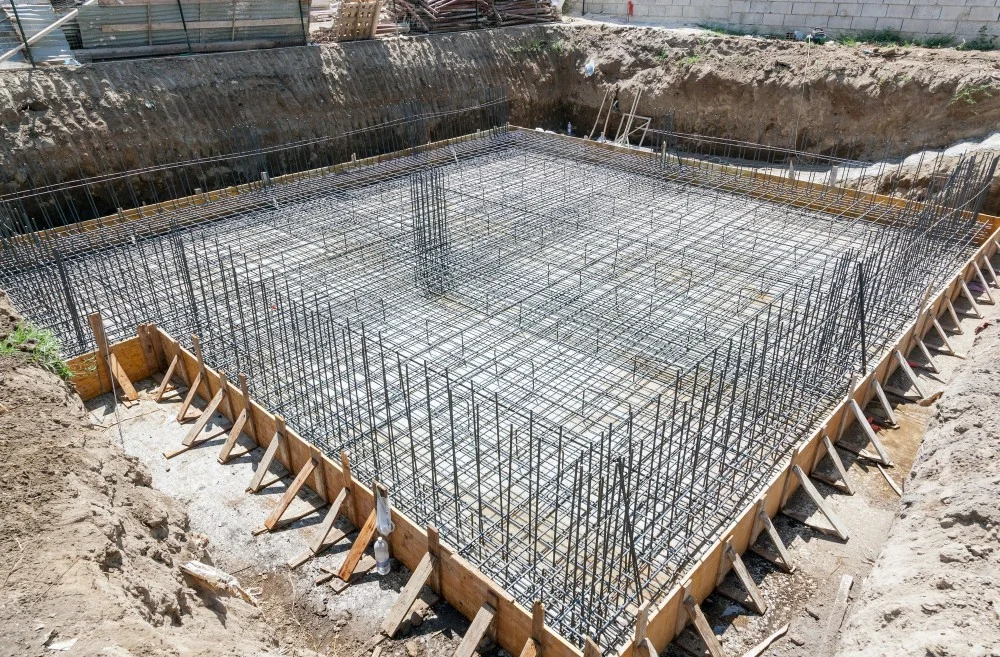
House leveling is a crucial service for maintaining the structural stability and integrity of a home. Over time, various factors such as soil movement, water damage, or natural disasters can cause a house to settle unevenly, leading to structural issues. House leveling aims to restore the house to its original position, ensuring safety, functionality, and longevity. This article delves into the importance of house leveling services, the signs that may indicate a need for these services, and the techniques used to achieve a stable foundation.
Understanding the Need for House Leveling
House leveling is essential for several reasons, primarily related to the safety and comfort of the home’s occupants. Here are some key points to consider:
- Structural Safety: Uneven foundations can lead to severe structural damage, including cracks in walls and ceilings, which can compromise the safety of the home.
- Preventing Further Damage: Early intervention with house leveling can prevent minor issues from escalating into major repairs, saving time and money.
- Property Value: A leveled and stable foundation contributes significantly to maintaining or increasing the property’s market value.
Read more about this topic to understand the full scope of house leveling services and their benefits.
Signs That Indicate a Need for House Leveling
Recognizing the signs of foundation problems early can prevent extensive damage and costly repairs. Homeowners should be vigilant for the following indicators:
- Uneven or sloping floors
- Cracks in the walls, especially around doors and windows
- Doors and windows that do not close properly
- Visible gaps between walls and ceilings or floors
- Water pooling around the foundation of the house
For a comprehensive understanding of when to consider house leveling, explore further insights here.
Techniques Used in House Leveling
Slab Jacking
Slab jacking, also known as mud jacking, involves pumping a mixture of cement, sand, and other additives beneath the settled slab to raise it back to its original position. This method is effective for concrete slabs that have settled due to soil erosion or compaction.
Piering
Piering involves driving steel piers deep into the ground beneath the foundation to provide additional support. This method is often used in cases where soil conditions are unstable or when the foundation has suffered significant damage.
To learn more about the techniques used in house leveling, find additional information here.
Choosing the Right House Leveling Service
Selecting a qualified and experienced service provider is crucial to achieving effective and long-lasting house leveling results. Consider the following when choosing a house leveling service:
- Experience and Expertise: Ensure the service provider has extensive experience with the specific leveling techniques required for your home.
- Licensing and Insurance: Verify that the company is properly licensed and insured to protect against any liabilities.
- References and Case Studies: Request references and review past projects to gauge the quality of their work.
- Clear Communication: The provider should offer clear explanations of the process and set realistic expectations.
Learn more in this detailed guide on what to look for when selecting a house leveling service.
In conclusion, house leveling is an essential service for maintaining the safety, stability, and value of a home. By understanding the signs of foundation issues, the methods used for leveling, and how to choose a qualified service provider, homeowners can ensure their property’s longevity and structural integrity. For more detailed information and guidance, explore further insights here.