Helical pier installation is a critical process in the realm of foundation stabilization, offering a robust solution for both residential and commercial properties. This method provides a reliable foundation support system that addresses issues related to soil instability, erosion, and structural shifts. In recent years, the demand for precise and efficient installation of helical piers has grown significantly, highlighting the importance of partnering with a skilled team possessing substantial experience and technical expertise. Understanding the nuances of helical pier installation, as well as the benefits it offers, can significantly impact the longevity and stability of a structure.
Understanding Helical Pier Installation
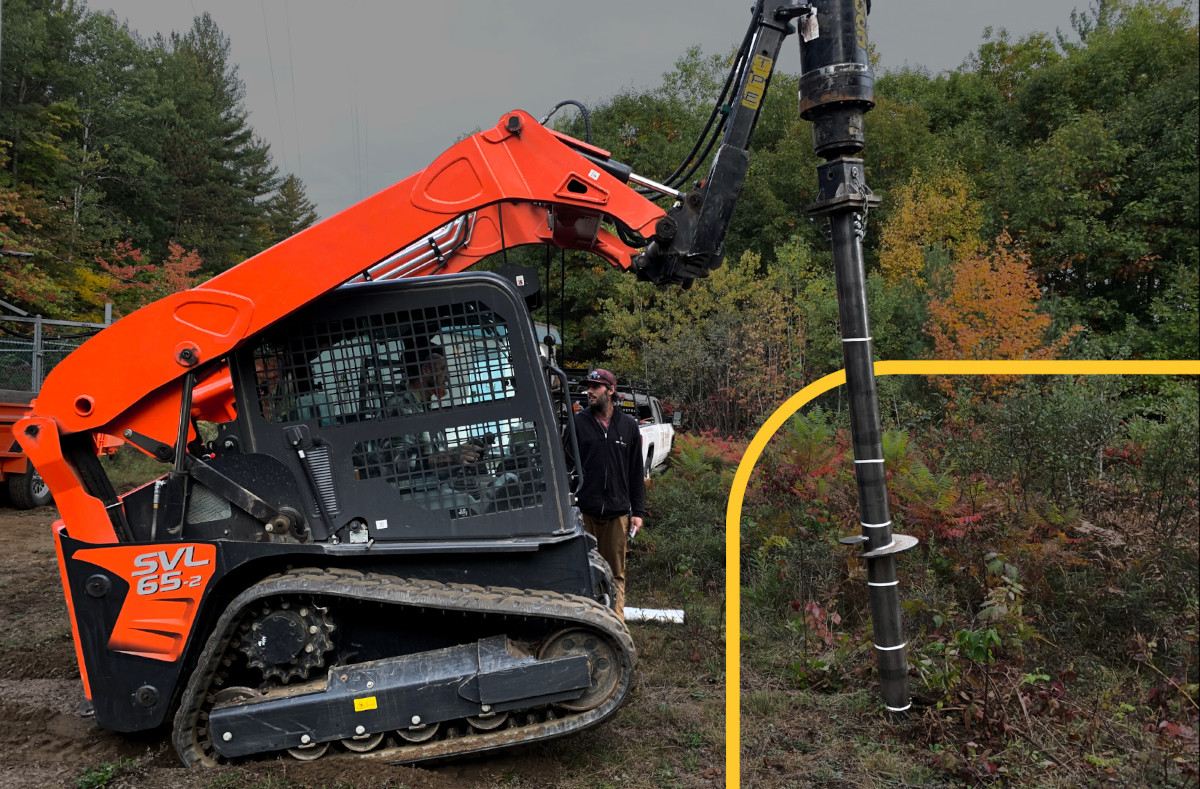
Helical piers, also known as screw piles or anchors, are deep foundation solutions used to secure new or repair existing foundations. They are comprised of steel shafts with helical plates that are driven into the ground to desired depths, providing a stable base for structures.
Benefits of Helical Piers
- Quick and easy installation with minimal disruption.
- Suitable for various soil types and conditions.
- Effective for both new constructions and foundation repairs.
- Provides immediate load-bearing capacity.
- Environmentally friendly with reduced carbon footprint.
For those seeking detailed insights on the benefits and applications of helical piers, discover expert strategies here.
Steps in Helical Pier Installation
The process of installing helical piers involves several critical steps, each requiring precision and expertise to ensure structural stability and integrity.
Site Assessment and Planning
- Conduct thorough soil analysis to determine suitability.
- Design the helical pier system tailored to specific structural needs.
- Plan the installation process to minimize disruptions.
For a comprehensive guide on planning and site assessment, learn about our tailored solutions.
Installation Process
- Position the piers according to the engineered design.
- Drive the helical piers into the ground using specified torque and pressure.
- Monitor the installation to ensure alignment and depth are achieved accurately.
Installation details and advanced techniques can be explored in advanced guides and tips.
Choosing the Right Team for Installation
Engaging a professional team for helical pier installation is crucial to achieving optimal results. Expertise and equipment quality should be top considerations when selecting a service provider.
Key Considerations
- Verify the experience and credentials of the installation team.
- Ensure the use of high-quality materials and equipment.
- Assess past projects and client testimonials for reliability.
Gain insights on selecting the right installation team by finding out more about this approach.
Long-term Benefits of Professional Installation
Properly installed helical piers offer significant long-term benefits, ensuring the structural safety and stability of buildings. With professional installation, structures are less likely to suffer from foundation issues, saving time and costs associated with future repairs.
- Enhanced foundation stability and durability.
- Increased property value due to improved structural integrity.
- Reduced risk of damage from environmental factors.
Understanding these benefits can be crucial for property owners, and further information can be explored in advanced guides and tips.
In conclusion, helical pier installation is a sophisticated process that requires a strategic approach and professional expertise. By utilizing the right methodologies and engaging a competent installation team, the longevity and stability of a structure can be significantly enhanced, providing peace of mind and substantial long-term value.