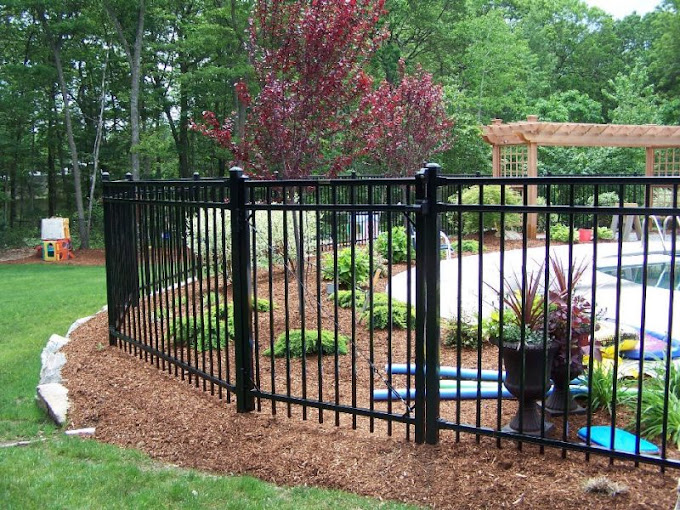
Installing an aluminium fence can be a rewarding DIY project that enhances the aesthetic appeal and security of your property. Aluminium fences are favored for their durability, minimal maintenance, and elegant appearance. However, to ensure a smooth installation, it is crucial to understand the process and adhere to expert guidance. This article provides a comprehensive overview of the steps and considerations involved in aluminium fence installation, helping you achieve professional results without the need for hired help.
Planning and Preparation
Proper planning is essential for a successful aluminium fence installation. Here are some key considerations:
- Permit and Regulations: Check local building codes and obtain any necessary permits before starting your project.
- Measurement Accuracy: Measure the perimeter of the area where you intend to install the fence to determine the amount of material needed.
- Material Selection: Choose the appropriate type and style of aluminium fencing that complements your property’s design. Find out more about this approach.
Tools and Materials
Gathering the right tools and materials is crucial for efficient installation. Ensure you have the following:
- Post hole digger or auger
- Cement mix for setting posts
- Level and measuring tape
- Drill and screwdriver set
- String line and stakes
- Aluminium panels and posts
Discover expert strategies here. for selecting the best materials for your fence.
Installation Process
Setting Posts
The foundation of your fence lies in the correct placement of the posts. Follow these steps to ensure stability:
- Mark the locations of each post using the string line and stakes.
- Dig holes for the posts, ensuring they are deep enough to provide stability.
- Set the posts in the holes with cement, using a level to ensure vertical alignment.
For a detailed guide on post setting, explore advanced guides and tips.
Attaching Panels
Once the posts are securely set, you can begin attaching the aluminium panels:
- Align the panels with the posts and use brackets or screws to secure them in place.
- Ensure even spacing between panels for a uniform appearance.
- Check the alignment of panels regularly with a level to maintain a straight fence line.
Finishing Touches
After your fence is installed, consider these finishing touches to enhance its longevity and appearance:
- Inspect all connections and tighten any loose screws or brackets.
- Apply a protective coating to the aluminium to prevent corrosion.
- Maintain the surrounding landscape to keep the fence area clear and accessible.
Learn about our tailored solutions for maintaining and enhancing your aluminium fence.
Conclusion
By following these expert tips and guidelines, you can successfully complete a DIY aluminium fence installation that enhances both the security and aesthetic value of your property. Remember, careful planning, precise measurements, and attention to detail are key to achieving professional results. For further resources and guidance, explore advanced guides and tips.