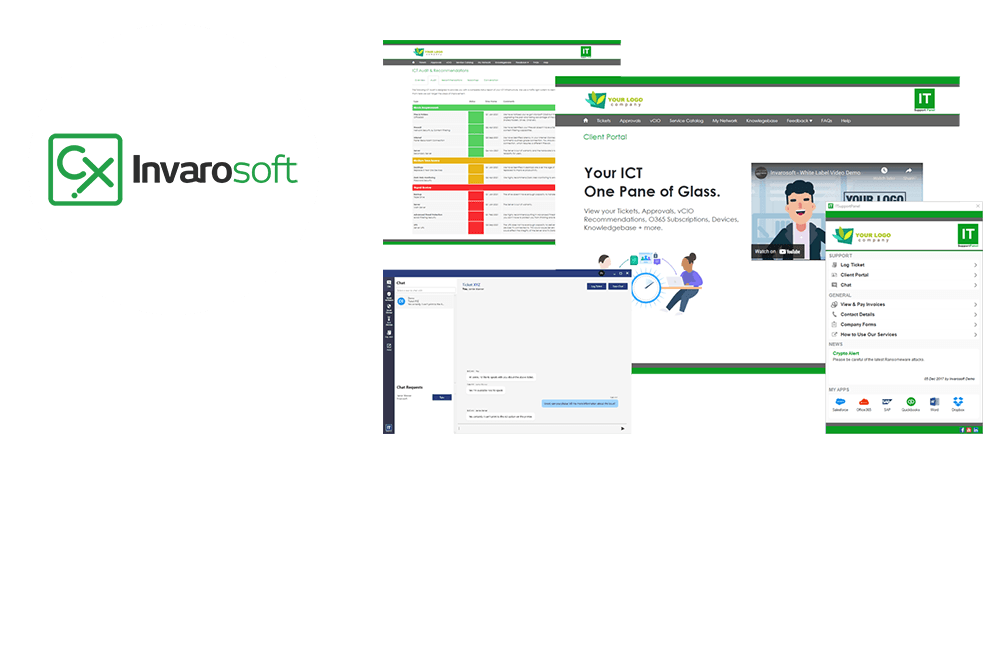
In today’s technology-driven world, businesses are increasingly relying on Managed Service Providers (MSPs) to enhance their IT infrastructure. An MSP stack integration is a strategic approach that combines various IT services and tools into a cohesive system. This integration not only bolsters security and performance but also streamlines operations, offering a robust solution for businesses seeking to optimize their IT management. The integration of an msp stack can significantly enhance an organization’s ability to respond to emerging threats while maximizing operational efficiency.
Understanding MSP Stack Integration
An MSP stack is essentially a collection of software tools and services that are used to manage a company’s technology needs. By integrating these tools, businesses can achieve a unified platform that facilitates seamless communication and operation across different IT functions. This integration can include:
- Network security solutions to protect against cyber threats.
- Remote monitoring and management tools to ensure system uptime and reliability.
- Backup and disaster recovery services to maintain data integrity.
- Cloud services to enhance scalability and flexibility.
- Service desk solutions to improve IT support and customer satisfaction.
Enhancing Security Through Integration
Security is a paramount concern for any business. An integrated MSP stack can significantly bolster a company’s security posture by ensuring that all components of the IT environment are working in concert to protect against threats. Key security enhancements include:
Comprehensive Threat Detection
With an integrated approach, threat detection tools can share intelligence across the system, allowing for a more comprehensive view of potential vulnerabilities. This collaborative detection mechanism enables faster identification and neutralization of threats.
Centralized Security Management
Integration allows for centralized management of security protocols, ensuring that policies are uniformly applied across the organization’s IT infrastructure. This helps in maintaining consistent security standards and reduces the risk of oversight or mismanagement.
Boosting Performance with an Integrated MSP Stack
Performance optimization is another critical benefit of MSP stack integration. By consolidating IT tools and services, businesses can achieve enhanced performance outcomes, such as:
Improved System Efficiency
Integration streamlines IT operations by reducing redundancy and eliminating unnecessary components. This leads to more efficient use of resources and improved system performance.
Enhanced Resource Allocation
With a unified platform, resource allocation becomes more strategic and effective. Businesses can ensure that resources are directed towards critical areas that require immediate attention, thus optimizing efficiency and productivity.
Operational Benefits of MSP Stack Integration
Beyond security and performance, an integrated MSP stack offers numerous operational advantages, including:
- Reduced operational costs through resource optimization and process automation.
- Improved scalability, allowing businesses to swiftly adjust to changing demands.
- Enhanced decision-making capabilities due to better data visibility and analytics.
Conclusion
Incorporating an msp stack into an organization’s IT strategy offers substantial benefits in terms of security, performance, and operational efficiency. By integrating various IT services and tools into a cohesive system, businesses can not only protect themselves against emerging threats but also enhance their overall productivity. As the technological landscape continues to evolve, the importance of a well-integrated MSP stack becomes increasingly clear, positioning it as a cornerstone of modern IT management strategies.