Mold in crawl spaces can be a persistent and troubling issue for many homeowners. Often hidden away and out of sight, crawl spaces provide the perfect environment for mold growth due to their damp and dark nature. Unfortunately, mold in these areas can lead to a host of problems, including structural damage to the home, health issues for residents, and unpleasant odors. Understanding the importance of professional cleaning and mold removal is crucial for maintaining a safe and healthy living environment.
The Risks of Mold in Crawl Spaces
Crawl spaces are often neglected areas of the home, but they play a vital role in its structural integrity and indoor air quality. Mold growth in these spaces can lead to several issues:
- Structural Damage: Mold can gradually deteriorate wood and other building materials, compromising the structural integrity of the home.
- Health Concerns: Mold spores can enter the home through the HVAC system, leading to respiratory problems, allergies, and other health issues.
- Unpleasant Odors: Mold often produces a musty smell that can permeate through the home, affecting the overall living environment.
Why Professional Mold Removal is Essential
While small mold issues can sometimes be addressed with DIY methods, crawl space mold often requires professional intervention. Here?s why:
- Comprehensive Assessment: Professionals have the expertise to assess the extent of mold growth and identify the underlying causes.
- Advanced Techniques: Utilizing specialized equipment and techniques, professionals can effectively remove mold and prevent future growth. Discover expert strategies here.
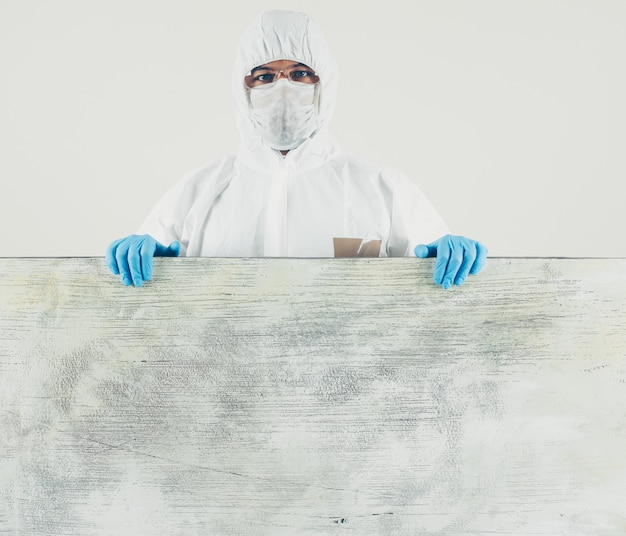
- Safety Measures: Handling mold can be hazardous; professionals are equipped with protective gear and know how to safely remove mold without spreading spores.
Key Steps in Professional Crawl Space Mold Removal
Professional mold removal involves a thorough and systematic approach to ensure complete eradication and prevention:
1. Inspection and Assessment
A detailed inspection is conducted to evaluate the extent of mold growth and identify moisture sources contributing to the problem. Learn about our tailored solutions.
2. Containment and Air Filtration
To prevent the spread of mold spores during the cleanup process, the affected area is sealed off, and air filtration systems are used to capture airborne spores.
3. Mold Removal and Cleaning
Using industry-standard methods, professionals remove mold and clean the affected surfaces. This step often involves the use of antifungal and antimicrobial treatments to eliminate mold colonies.
4. Restoration and Prevention
Once the mold is removed, the area is restored, and preventive measures are implemented to address moisture issues and reduce the risk of future mold growth. Explore advanced guides and tips.
Preventing Future Mold Growth
After successful mold removal, maintaining a mold-free crawl space requires ongoing vigilance:
- Regular Inspections: Schedule routine inspections to identify potential problems early.
- Moisture Control: Ensure proper drainage and ventilation to keep the crawl space dry. Find out more about this approach.
- Sealing and Insulation: Properly seal and insulate the crawl space to prevent moisture ingress.
By understanding the importance of professional cleaning and taking proactive measures, homeowners can effectively manage crawl space mold and safeguard their homes and health.