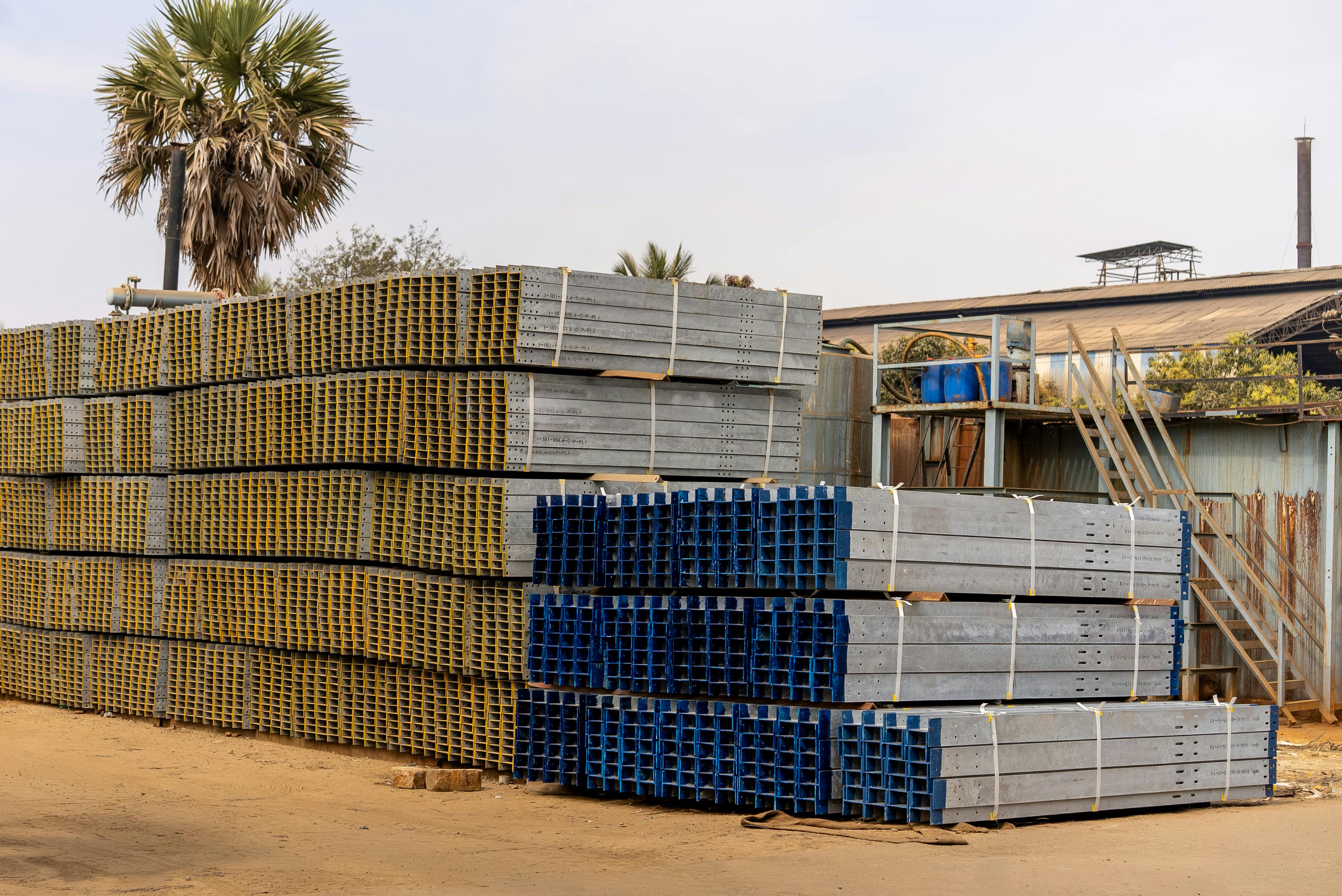
Recycling plays a crucial role in inorganic waste management by reducing the amount of waste that ends up in landfills and conserving natural resources. As urbanization intensifies, the challenge of managing inorganic waste becomes increasingly significant. This type of waste, which includes materials such as metals, glass, and plastics, does not decompose easily and can persist in the environment for extended periods. Effective management strategies are critical to minimizing environmental impact and promoting sustainable practices.
The Importance of Recycling in Inorganic Waste Management
Recycling is a pivotal component of modern waste management strategies. It helps in:
- Reducing the volume of waste sent to landfills, thereby prolonging their lifespan.
- Conserving natural resources by reprocessing materials like aluminum and glass.
- Reducing energy consumption, as recycling often uses less energy compared to producing new products from raw materials.
- Mitigating pollution, as recycling processes can limit emissions associated with new material production.
Incorporating recycling into waste management systems is not only beneficial for the environment but also economically advantageous. Recycling industries create jobs and contribute to the economy, further emphasizing the importance of such practices. Find out more about this approach.
Challenges in Recycling Inorganic Waste
Contaminated Materials
One of the primary challenges in recycling inorganic waste is contamination. Materials that are not properly cleaned or separated can contaminate entire batches of recyclable waste, rendering them unsuitable for recycling. This necessitates advanced sorting and cleaning technologies to ensure that recycling processes remain efficient and effective. Learn about our tailored solutions.
Market Fluctuations
The recycling market is subject to fluctuations in demand and pricing, which can impact the feasibility and profitability of recycling programs. Economic downturns or changes in material demand can discourage investment in recycling infrastructure. However, maintaining a stable and sustainable recycling system is crucial for long-term waste management success. Discover expert strategies here.
Strategies for Effective Inorganic Waste Recycling
Several strategies can enhance the efficiency and effectiveness of inorganic waste recycling:
- Improved Waste Segregation: Encouraging individuals and businesses to separate waste at the source can significantly improve recycling rates and reduce contamination.
- Technological Advancements: Investing in advanced recycling technologies can streamline processes and increase the types of materials that can be recycled.
- Public Awareness Campaigns: Educating the public about the benefits of recycling and proper waste management practices can drive participation and compliance.
- Government Policies and Incentives: Implementing supportive policies and incentives can encourage recycling initiatives and foster environmental responsibility.
By adopting these strategies, communities can enhance their recycling efforts and contribute to more sustainable waste management systems. Explore advanced guides and tips.
Conclusion
The role of recycling in inorganic waste management is indispensable. It not only helps in reducing environmental impact but also conserves valuable resources and energy. Despite challenges such as contamination and market fluctuations, effective strategies can overcome these barriers and promote sustainable practices. By embracing advanced technologies, improving public awareness, and implementing supportive policies, the potential of recycling can be fully realized, paving the way towards a more sustainable future. Explore advanced guides and tips.