Black mold, scientifically known as Stachybotrys chartarum, poses significant health risks and can lead to structural damage if not properly addressed. The presence of black mold is often indicative of moisture problems within a building, and effective mitigation requires a comprehensive approach. Understanding the strategies and methods used for mold removal is crucial for maintaining a safe and healthy environment. This article delves into the most effective techniques for mitigating black mold, ensuring environments are both safe and resilient.
Identifying Black Mold
Before any mitigation can occur, it is essential to accurately identify black mold. Key characteristics include:
- Dark greenish-black color and a slimy texture.
- Musty odor that often accompanies its presence.
- Growth in areas with high humidity or water damage.
For detailed identification techniques, discover expert strategies here.
Preventative Measures
Prevention is always preferable to remediation. Implementing these measures can significantly reduce the risk of black mold:
- Ensure proper ventilation in high-humidity areas like bathrooms and kitchens.
- Use dehumidifiers to maintain a relative humidity below 60%.
- Promptly address leaks in roofs, walls, and plumbing to prevent moisture accumulation.
These preventative strategies are crucial for long-term mold control. Learn about our tailored solutions to maintain a mold-free environment.
Effective Mitigation Techniques
Professional Assessment and Testing
Engaging professional services for mold assessment and testing is a critical first step. Professionals use specialized equipment to detect mold growth and assess air quality. For those seeking expert assistance, explore advanced guides and tips on professional mold assessment.
Containment and Removal
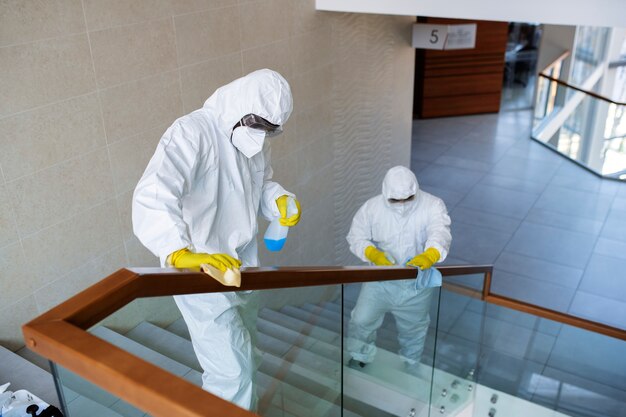
Once identified, the area affected by black mold must be contained to prevent spores from spreading. Techniques include:
- Sealing off the affected area using plastic sheeting and duct tape.
- Utilizing negative air pressure machines to prevent cross-contamination.
Removal involves physically cleaning and disposing of contaminated materials. For a step-by-step guide on effective removal, find out more about this approach.
Post-Removal Verification
After removal, it is essential to verify that the mold has been effectively mitigated. This involves:
- Conducting air quality tests to ensure spore levels are within safe limits.
- Inspecting the area for any remaining signs of mold or moisture.
Verification ensures that remediation efforts have been successful and that the environment is safe for occupancy.
Conclusion
Effective black mold mitigation requires an integrated approach, combining identification, prevention, and removal strategies. By engaging professional services and employing proven techniques, spaces can be safeguarded against the harmful effects of mold. For those in need of comprehensive black mold solutions, explore advanced guides and tips to ensure your environment’s safety and integrity.